

Now Reading: Why women are paying over $2,000 to have ‘Ozempic vagina’ reversed as it becomes increasingly common
-
01
Why women are paying over $2,000 to have ‘Ozempic vagina’ reversed as it becomes increasingly common

Why women are paying over $2,000 to have ‘Ozempic vagina’ reversed as it becomes increasingly common

An unexpected side effect linked to rapid weight loss from Ozempic is reportedly driving more women to seek cosmetic procedures costing over $2,000.
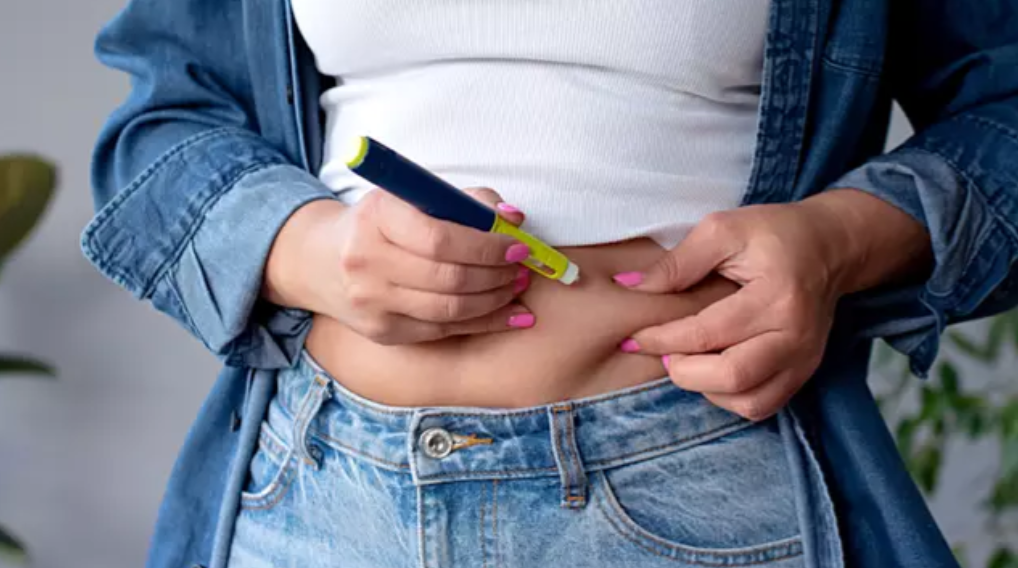
Originally developed to treat Type 2 diabetes, GLP-1 medications such as Ozempic have surged in popularity across the United States as a powerful weight-loss aid. The drug’s effectiveness has been widely showcased through dramatic celebrity transformations, but medical professionals say the benefits can come with unintended physical changes.
Alongside commonly reported side effects such as nausea, vomiting, diarrhea, and constipation, doctors have observed an increase in complaints related to skin laxity and fat loss in unexpected areas of the body. Among these is a condition informally referred to as “Ozempic vagina.”
Although the drug’s manufacturers have not officially recognized the condition, clinicians say some women using Ozempic have reported noticeable volume loss and sagging in the vulvar area. Several women have shared online that rapid weight loss caused their natural fat pads to diminish, leading to discomfort and changes in appearance.
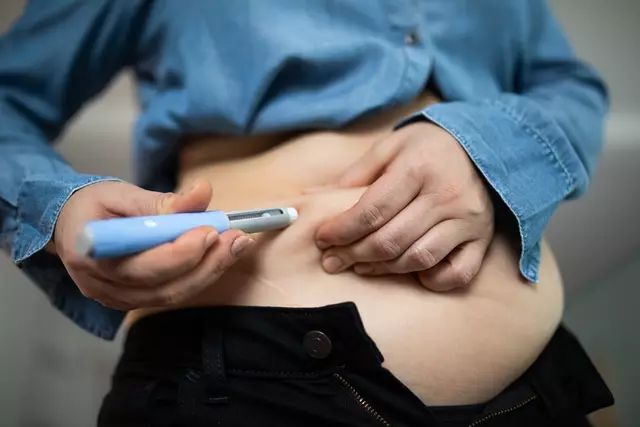
GLP-1 medications help users to lose weight (Getty)
One user described being told by her gynecologist that sagging tissue could lead to pain during sitting or cycling unless she underwent surgery or filler treatment.
According to Dr Michael Tahery, these changes are not medically surprising. He explained that rapid weight loss throughout the body can also affect fatty tissue in the vulva, resulting in looser skin, wrinkles, and a sudden feeling that the labia are disproportionate compared to before.
Medical professionals note that potential changes associated with significant weight loss may also include reduced lubrication, altered discharge, increased vaginal infections, reduced pelvic floor strength, and changes to the menstrual cycle, although experiences vary widely.
What Is Labia Puffing?
In response, some women are turning to a cosmetic procedure known as labia puffing. The treatment typically costs around $2,000 and involves injecting dermal fillers, such as hyaluronic acid or fat, into the labia majora to restore volume.
Consultant obstetrician and gynecologist Dr Shazia Malik explained that the minimally invasive procedure is designed to improve fullness, smoothness, and symmetry. While labia puffing has existed since the early 2000s, interest has reportedly increased due to weight-loss-related changes.
The procedure is most commonly requested by women seeking to restore volume lost due to aging, childbirth, or significant weight loss.
Is the Procedure Safe?
Dr Malik emphasized that labia puffing is a personal choice and should be approached carefully. While it can offer aesthetic benefits and boost confidence, she advised patients to ensure their decision is based on personal comfort rather than societal pressure.
Because the treatment is non-surgical and typically performed under local anesthesia, recovery times are shorter than with more invasive procedures such as labiaplasty. However, risks still exist, including swelling, bruising, irritation, allergic reactions, filler migration, and uneven results.
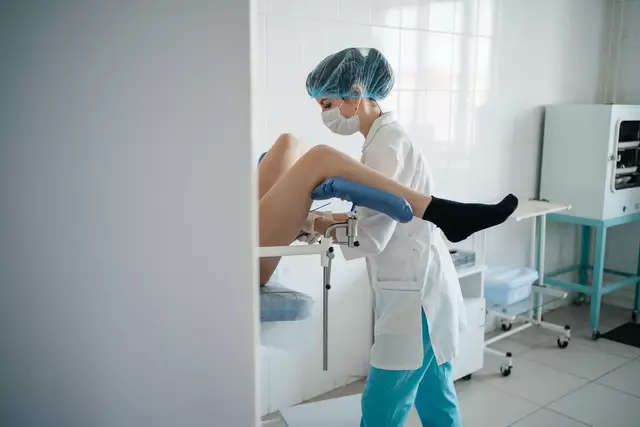
The procedure isn’t typically dangerous but can come with other side effects (Getty)
In rare cases, more serious complications such as infection or tissue damage may occur, although these risks can be minimized by choosing a qualified and experienced medical professional.
The manufacturers of Ozempic, Novo Nordisk, have been contacted for comment regarding the reports of this emerging side effect.
Source: Unilad